When you rent a vacation property through Airbnb, you trust that the host has maintained a safe environment. You expect working smoke detectors, secure railings, properly functioning appliances and hazard-free walkways. When hosts fail to meet these basic expectations and guests get hurt, the host may be held legally liable for negligence.
Understanding what constitutes host negligence under Florida law helps injured guests evaluate whether they have a valid claim. This article explains the duties Airbnb hosts owe to their guests, common examples of host negligence and how liability works in Florida vacation rental cases.
The Legal Duties Airbnb Hosts Owe to Guests
Florida premises liability law imposes specific duties on property owners based on the visitor’s legal classification. As a paying guest at a vacation rental, you are classified as a business invitee, the category entitled to the highest level of protection.
Airbnb hosts owe business invitees several key duties. They must maintain the property in a reasonably safe condition suitable for guests. They must warn guests about dangerous conditions that are not obvious or readily apparent. They must conduct reasonable inspections to discover hazards that could cause injury. They must take reasonable steps to repair dangerous conditions or protect guests from harm.
These duties apply whether the host lives on the property, uses it occasionally or operates it purely as an investment. The fact that a host lists property on Airbnb and earns rental income creates a business relationship that triggers these enhanced legal obligations.
What Constitutes Negligence in Airbnb Injury Cases
Negligence occurs when a host fails to fulfill their legal duties and that failure causes injury to a guest. To establish negligence, an injured guest must prove four elements.
First, the host owed a duty of care to the guest. For paying vacation rental guests, this duty is established by the business invitee classification under Florida law.
Second, the host breached that duty by failing to act as a reasonably careful property owner would under the circumstances. This could mean failing to repair a known hazard, neglecting to warn about a danger or failing to conduct reasonable inspections.
Third, the breach of duty caused the guest’s injury. There must be a direct connection between what the host did or failed to do and the harm that resulted.
Fourth, the guest suffered actual damages, such as medical expenses, lost wages, pain and suffering or other compensable losses.
Common Examples of Host Negligence
Host negligence takes many forms. Understanding common scenarios helps identify whether your injury may support a liability claim.
Failure to Maintain Safe Conditions
Hosts who let properties fall into disrepair create hazards for guests. Broken stairs, loose railings, uneven flooring, malfunctioning doors and worn-out fixtures all pose injury risks. When hosts know about these conditions and fail to fix them, they may be liable for resulting injuries.
Inadequate Pool Safety
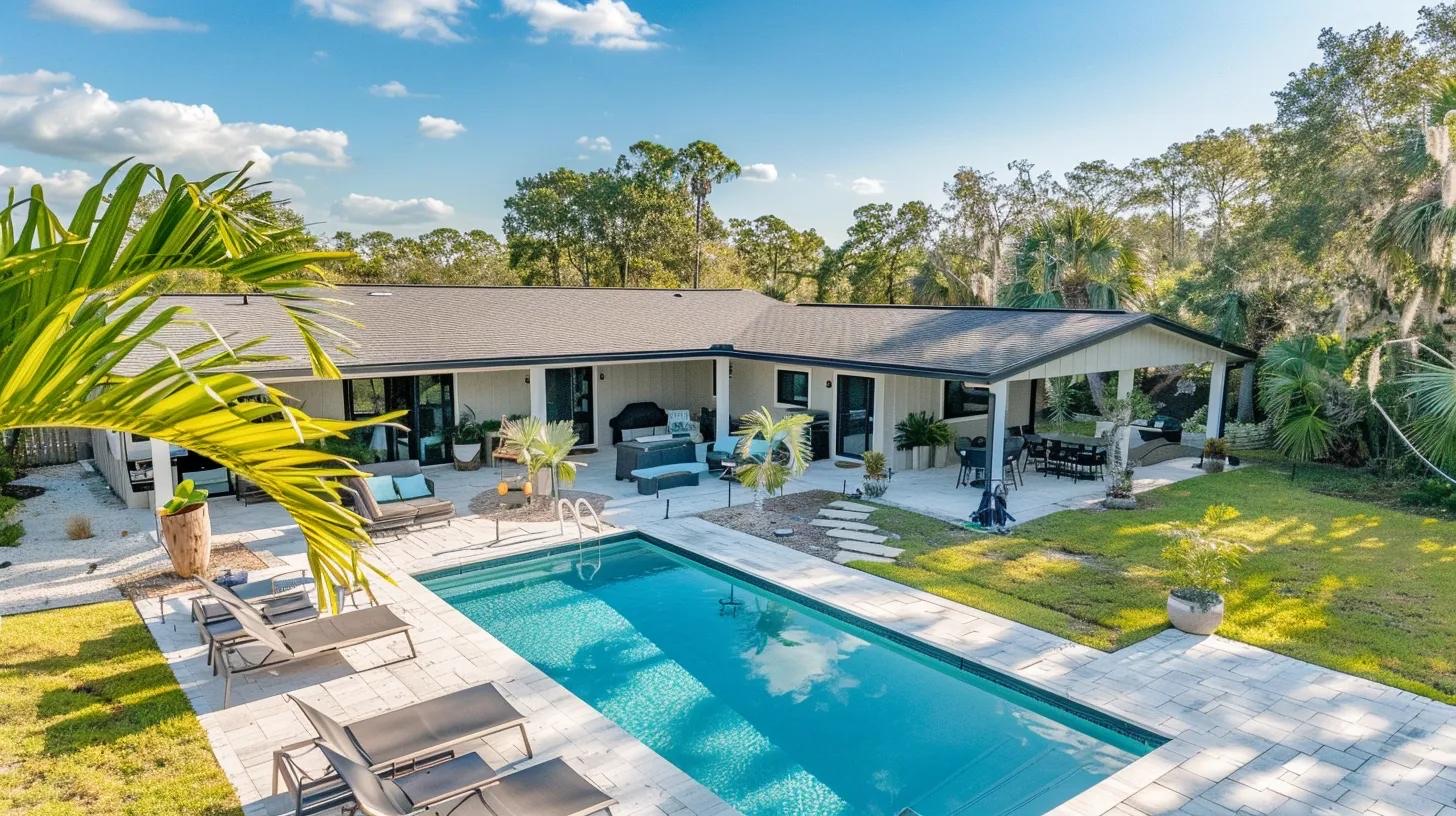
Pools are common amenities at Florida vacation rentals and common sources of serious injuries. Hosts who fail to maintain proper pool barriers, provide required safety equipment, keep pool chemistry balanced or ensure functioning pool lights may be liable for drownings, near-drownings and other pool-related injuries.
Hidden or Undisclosed Hazards
Some hazards are not obvious to guests unfamiliar with a property. Steps that are deeper than standard, low-clearance doorways, sliding glass doors without visibility markers and similar features can cause injuries. Hosts who know about these hazards must warn guests appropriately.
Defective Appliances and Systems
Faulty water heaters, malfunctioning HVAC systems, defective electrical wiring and broken appliances create risks of burns, shocks, carbon monoxide poisoning and other injuries. Hosts have a duty to maintain these systems in safe working order and address defects promptly.
Security Failures
When hosts fail to provide adequate security and guests suffer criminal attacks, the host may share liability. This includes failures like broken door locks, malfunctioning security systems, inadequate lighting in parking areas and failure to disclose known crime problems in the area.
Actual Knowledge vs. Constructive Knowledge
Liability often hinges on whether the host knew or should have known about the dangerous condition. Florida law recognizes two forms of knowledge.
Actual knowledge means the host was specifically aware of the hazard. Evidence of actual knowledge includes prior complaints from guests, maintenance records documenting the problem, the host’s own observations or communications acknowledging the condition.
Constructive knowledge means the hazard existed long enough or was obvious enough that a reasonable property owner conducting proper inspections would have discovered it. This standard prevents hosts from avoiding liability simply by not looking for problems.
For transitory hazards like spilled liquids, Florida Statute 768.0755 requires injured parties to prove the property owner had actual or constructive knowledge of the specific substance. For permanent defects built into the property, knowledge may be presumed or easier to establish.
When Host Negligence Becomes Gross Negligence
Standard negligence involves a failure to exercise reasonable care. Gross negligence involves conduct so reckless that it shows conscious disregard for guest safety. The distinction matters because Florida law does not allow parties to waive liability for gross negligence.
Examples of host behavior that may rise to gross negligence include knowing about a serious hazard and continuing to rent the property without repairs or warnings, ignoring repeated complaints about dangerous conditions, deliberately concealing known defects from guests and operating a property that violates safety codes in ways that create obvious danger.
When host conduct reaches the level of gross negligence, liability waivers, terms of service and assumption of risk defenses become far less effective. Hosts cannot contract away responsibility for reckless disregard of guest safety.
Defenses Hosts Use in Negligence Cases
Hosts and their insurance companies employ several strategies to avoid liability. Understanding these defenses helps injured guests prepare stronger claims.
The comparative negligence defense argues that the guest’s own carelessness contributed to the injury. Under Florida’s modified comparative negligence rule, your compensation is reduced by your percentage of fault. If you are found more than 50% responsible, you cannot recover any damages.
The assumption of risk defense claims the guest knew about the hazard and voluntarily chose to encounter it. Simply booking a vacation rental does not mean you assumed the risk of all possible injuries. This defense requires proof that you knew of a specific danger and deliberately exposed yourself to it.
The no-notice defense argues the host did not know about the hazard and had no reasonable way to discover it. Overcoming this defense often requires evidence about how long the condition existed, whether prior guests reported problems or whether basic inspections would have revealed the danger.
Pursuing a Claim Against an Airbnb Host
If you believe host negligence caused your injuries, several steps help build a strong claim.
Document the hazard immediately. Photograph and video the condition that caused your injury before it gets repaired or cleaned up. Note the date, time and exact location.
Preserve evidence of your injuries. Seek prompt medical attention and follow your treatment plan. Keep records of all medical visits, diagnoses and expenses.
Report the incident through Airbnb and directly to the host. Request written acknowledgment of your report. Save all communications.
Do not provide recorded statements to insurance adjusters without legal advice. What you say can be used to minimize your claim or shift blame to you.
Consult with an attorney before accepting any settlement. Early offers often undervalue serious injuries, and accepting prematurely can waive your right to pursue additional compensation.
Florida’s Two-Year Statute of Limitations
Florida law gives injured guests two years from the date of injury to file a lawsuit against negligent hosts. This deadline, established by Florida Statute 95.11, was reduced from four years in March 2023 when HB 837 took effect.
Missing this deadline bars you from pursuing compensation through the courts, regardless of how clear the host’s negligence may be. The two-year clock starts on the date of your injury, making early action essential to preserve your rights.
Talk to a Florida Attorney About Your Airbnb Injury
Host negligence should not leave you bearing the financial burden of medical bills, lost income and lasting injuries. At Mausner Group Injury Lawyers, attorney Eric Mausner applies his experience as a former Miami-Dade County prosecutor to holding negligent property owners accountable throughout Florida.
Our firm handles Airbnb and vacation rental injury cases statewide. We investigate property conditions, identify evidence of negligence and fight for full compensation on behalf of injured guests.
Contact us for a Free Case Review. Call 305-344-4878 to discuss whether host negligence may have caused your injury and what legal options you have.
Call Mausner Group Injury Lawyers today
Free consultation available statewide
Offices in Miami, Doral, and Palmetto Bay
600+ 5-Star Google Reviews
Last Updated Wednesday, March 4th, 2026