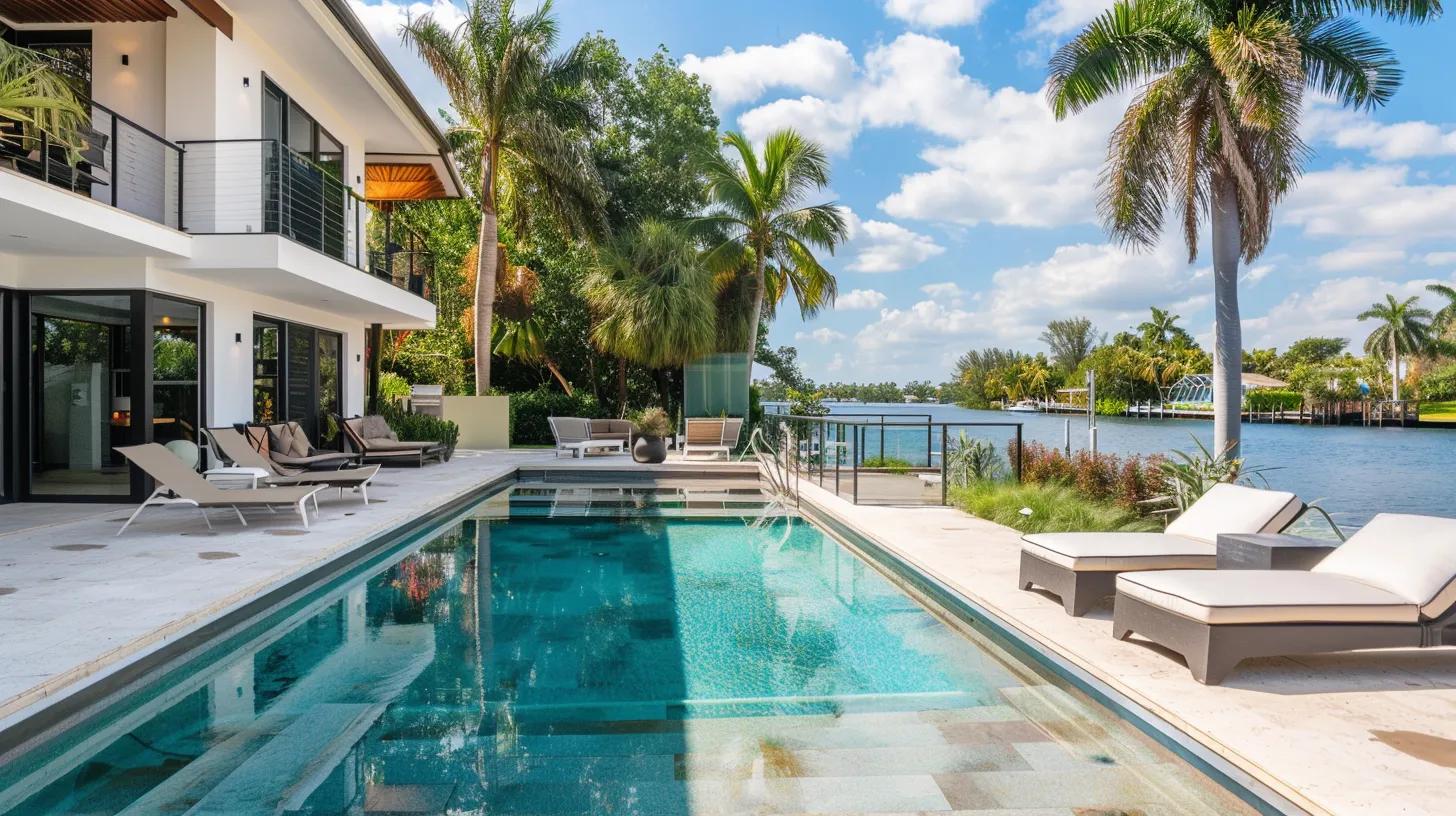
A vacation in Florida should create good memories, not emergency room visits. But every year, guests suffer serious injuries from slip and fall accidents at Airbnb and VRBO rentals across the state. Wet pool decks, loose stair railings, broken tiles, and hidden hazards turn relaxing getaways into painful ordeals.
If you slipped and fell at a vacation rental in Florida, you may have questions about who is responsible and whether you can recover compensation for your injuries. The answer depends on Florida premises liability law and the specific circumstances of your accident.
This article explains how liability works in Airbnb slip and fall cases, what you need to prove, and the steps to take after an accident.
How Florida Premises Liability Law Applies to Vacation Rentals
Florida premises liability law requires property owners and occupiers to maintain their properties in a reasonably safe condition for visitors. When you pay to stay at an Airbnb, you are classified as a business invitee. This classification provides the highest level of legal protection under Florida law.
Property owners owe business invitees three key duties. They must maintain the premises in a reasonably safe condition. They must warn guests of dangerous conditions that are not obvious. And they must conduct reasonable inspections to discover hazards that could cause injury.
These duties apply to Airbnb hosts just as they apply to hotel owners, restaurant operators, and other businesses that invite paying customers onto their property. The fact that a property is listed on a vacation rental platform does not reduce the owner’s legal obligations.
Common Causes of Slip and Fall Accidents at Airbnbs
Vacation rentals present unique slip and fall risks that differ from traditional hotels. Many of these properties are private homes that lack professional maintenance staff or regular safety inspections. Common hazards include the following.
Pool and Outdoor Areas
Pool decks become slippery when wet, especially those with smooth tile or worn surfaces. Uneven pavement around patios and walkways can catch guests off guard. Missing or broken handrails near pools and hot tubs increase the risk of falls. Inadequate lighting in outdoor areas makes it difficult to see hazards after dark.
Stairs and Railings
Loose or missing handrails on interior and exterior stairs contribute to many falls. Worn carpet on steps can cause trips. Uneven stair heights violate building codes and create unexpected tripping hazards. Stairs leading to beaches or docks often lack adequate safety features.
Interior Hazards
Loose rugs and floor mats without non-slip backing slide under guests’ feet. Wet bathroom floors without proper drainage or mats lead to falls. Broken or uneven flooring creates tripping hazards. Cluttered walkways and furniture arrangements that impede safe movement cause accidents, especially in unfamiliar spaces.
Transitory Conditions
Florida Statute 768.0755 addresses slip and fall cases involving transitory foreign substances, meaning temporary hazards like spilled liquids, tracked-in water or debris. This law requires injured guests to prove that the property owner knew or should have known about the hazard and failed to address it.
Other Dangerous Conditions at Florida Vacation Rentals
While slip and fall accidents are among the most common vacation rental injuries, they are not the only hazards guests face at Airbnb properties. Florida vacation rentals can expose guests to other serious dangers that property owners have a duty to prevent.
Drowning and near-drowning incidents occur when pools lack proper barriers, functioning alarms or required safety equipment. Property owners who fail to maintain pool safety features may face significant liability when guests are injured or killed.
Carbon monoxide poisoning results from malfunctioning gas appliances, improperly vented water heaters or faulty HVAC systems. Because carbon monoxide is odorless and colorless, guests may not realize they are being exposed until serious harm occurs. Florida law requires carbon monoxide detectors in certain rental properties.
Electrical hazards including faulty wiring, overloaded circuits and defective outlets can cause shocks, burns and electrocution. Older vacation rental properties may have outdated electrical systems that create serious risks for guests.
Fire hazards stem from malfunctioning smoke detectors, faulty electrical systems, improperly maintained grills and lack of fire extinguishers. Property owners must ensure their rentals meet Florida fire safety requirements.
If you were injured by any dangerous condition at a Florida vacation rental, the same premises liability principles apply. Property owners owe guests a duty of care regardless of the specific type of hazard involved.
Proving Liability in an Airbnb Slip and Fall Case
To recover compensation for a slip and fall at an Airbnb, you must prove several elements. Understanding these requirements helps you take the right steps to protect your claim.
First, you must establish that a dangerous condition existed on the property. This could be a permanent defect like broken stairs, a temporary hazard like a wet floor or a failure to warn about a non-obvious danger.
Second, you must show that the property owner knew or should have known about the condition. Actual knowledge means the owner was aware of the specific hazard. Constructive knowledge means the hazard existed long enough that a reasonable property owner conducting proper inspections would have discovered it.
Third, you must prove the owner failed to take reasonable steps to fix the hazard or warn guests about it. Property owners are not required to guarantee absolute safety, but they must act reasonably to protect invitees.
Fourth, you must demonstrate that the dangerous condition caused your fall and resulting injuries. Medical records, witness statements, and photographs help establish this connection.
Who Can Be Held Liable for Your Injuries
Airbnb slip and fall cases may involve multiple potentially liable parties depending on the property’s ownership structure and the circumstances of your accident.
The Property Owner
The person or entity that owns the property bears primary responsibility for maintaining safe conditions. This is true whether they live in the property, use it as a vacation home or operate it purely as a rental investment.
Property Management Companies
Many vacation rentals are operated by property management companies that handle maintenance, cleaning, and guest services. If a management company’s negligence contributed to your injury, they may share liability with the property owner.
Maintenance Contractors
Third-party contractors who perform maintenance or repairs on vacation rental properties can be held liable if their negligent work created or failed to fix a dangerous condition.
Airbnb’s Role
Airbnb itself is typically difficult to hold directly liable for guest injuries. The platform operates as a booking service rather than a property owner or manager. However, Airbnb’s Host Liability Insurance may provide coverage for claims against hosts, giving you a source of compensation even if the individual host lacks sufficient assets or insurance.
Comparative Negligence and Its Impact on Your Claim
Florida follows a modified comparative negligence rule that can affect how much compensation you receive. Under this rule, your damages are reduced by your percentage of fault for the accident. If you are found 51% or more at fault, you cannot recover any compensation.
Insurance companies and defense attorneys frequently try to blame slip and fall victims for their own injuries. They may argue you were not paying attention, were wearing inappropriate footwear, were intoxicated or ignored obvious warning signs.
Building a strong case means documenting the hazard thoroughly and demonstrating that it was not something a reasonable guest would have anticipated. Working with an attorney experienced in premises liability helps counter these blame-shifting tactics.
Steps to Take After a Slip and Fall at an Airbnb
The actions you take immediately after an accident can significantly impact your ability to pursue compensation.
Seek medical attention right away. Even if you feel your injuries are minor, getting evaluated by a medical professional creates documentation that links your injuries to the fall. Some injuries, like concussions or soft tissue damage, may not show full symptoms until days later.
Document the scene thoroughly. Take photographs and videos of the hazard that caused your fall, the surrounding area, any warning signs (or lack thereof), and your visible injuries. Note the lighting conditions, weather, and any other relevant circumstances.
Collect witness information. If anyone saw your fall or can speak to the condition of the property, get their names and contact information. Witness testimony can be valuable if the property owner disputes what happened.
Report the incident to the host and through Airbnb’s platform. Request that your report be documented in writing. Keep copies of all communications.
Preserve evidence. Keep the shoes and clothing you were wearing at the time of your fall. Do not wash or discard them, as they may become evidence in your case.
Be careful what you say. Avoid making statements that admit fault or minimize your injuries. Insurance adjusters may use your own words against you later.
Understanding the Florida Statute of Limitations
Florida law imposes strict time limits for filing personal injury claims. Under Florida Statute 95.11, you have two years from the date of your injury to file a lawsuit. This deadline was reduced from four years in March 2023 when HB 837 took effect.
Missing this deadline typically bars you from pursuing compensation entirely, regardless of how strong your case might be. The two-year clock begins on the date of your fall, not when you finish medical treatment or realize the full extent of your injuries.
Given this tight timeline, consulting with an attorney early in the process protects your rights and ensures critical evidence is preserved while memories are fresh.
What Compensation Can You Recover
Slip and fall victims at Airbnb properties may be entitled to compensation for various damages depending on the severity of their injuries.
Medical expenses include emergency room visits, hospital stays, surgery, medication, physical therapy, and any future medical care related to your injuries. Keep detailed records of all medical treatment and expenses.
Lost wages cover income you missed while recovering from your injuries. If your injuries prevent you from returning to your previous occupation, you may also recover compensation for reduced earning capacity.
Pain and suffering compensates you for physical pain, emotional distress, and diminished quality of life resulting from your injuries. These damages can be substantial in cases involving serious or permanent injuries.
Property damage covers personal belongings damaged in the fall, such as phones, glasses, or other items.
How Airbnb’s Insurance Coverage Works
Airbnb provides Host Liability Insurance (part of AirCover) that offers up to $1 million in coverage for guest injury claims. This coverage is automatic for hosts and provided at no additional cost.
However, this insurance has limitations. It operates as secondary coverage, meaning it only kicks in after the host’s personal insurance has been exhausted or has denied the claim. It also contains exclusions and conditions that may affect coverage for your specific situation.
An experienced attorney can help navigate the insurance landscape, identifying all available coverage sources and ensuring claims are filed properly to maximize your recovery.
Talk to a Florida Vacation Rental Injury Attorney
Slip and fall injuries at Airbnb properties can result in broken bones, head trauma, back injuries and, other serious harm. You should not have to bear the financial burden of medical bills and lost income when someone else’s negligence caused your injury.
At Mausner Group Injury Lawyers, attorney Eric Mausner uses his experience as a former Miami-Dade County prosecutor to fight for injured guests throughout Florida. Our team understands the unique challenges of vacation rental injury cases and works to hold negligent property owners accountable.
Contact us today for a Free Case Review. Call Mausner Group Injury Lawyers to discuss your Airbnb slip and fall case and learn about your legal options.
Call Mausner Group Injury Lawyers today
Free consultation available statewide
Offices in Miami, Doral, and Palmetto Bay
600+ 5-Star Google Reviews
Last Updated Tuesday, February 10th, 2026