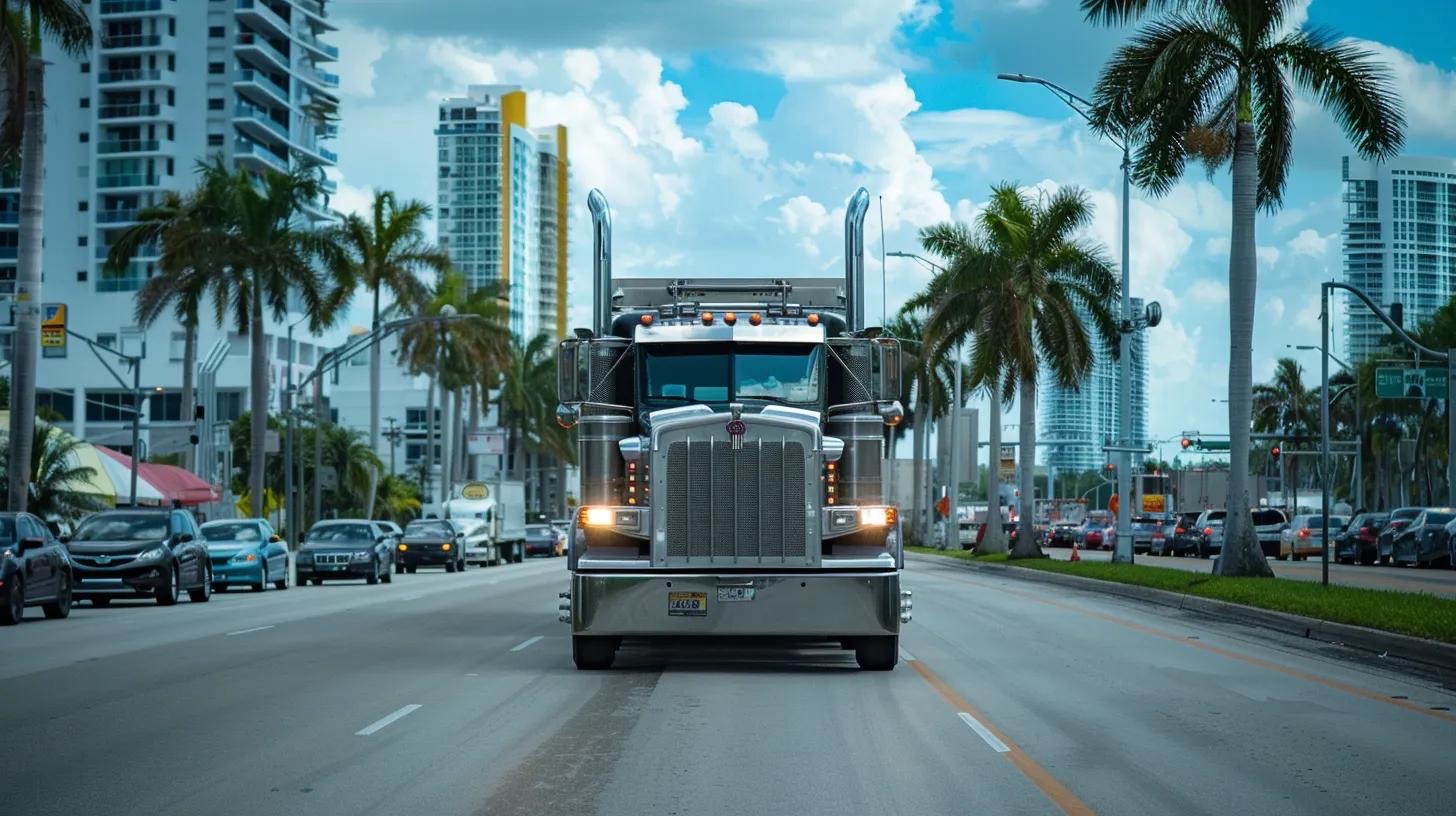
The sheer size and weight of a commercial truck makes every collision with a passenger vehicle a potential catastrophe. A fully loaded tractor-trailer can weigh up to 80,000 pounds. A midsize sedan weighs roughly 3,500. When those two vehicles collide on I-95, the Florida Turnpike or any of South Florida’s congested highways, the laws of physics guarantee that the occupants of the smaller vehicle absorb the overwhelming majority of the force.
That force produces injuries far more severe than a typical car accident. Broken bones, traumatic brain injuries, spinal cord damage, internal organ trauma and burns are all common in truck crashes. Many of these injuries require emergency surgery, extended hospital stays and months or years of rehabilitation. Some result in permanent disability that changes the course of a victim’s life.
If you or someone you love was seriously injured in a truck accident in South Florida, the type and severity of your injuries will play a central role in determining the compensation you can recover. Understanding what you are dealing with medically and legally puts you in a stronger position to protect your claim. Mausner Group Injury Lawyers represents truck accident victims across Miami-Dade, Broward and Palm Beach counties. Call our office today for a free case review.
Why Truck Accident Injuries Are More Severe Than Car Accident Injuries
The severity gap between truck and car accident injuries comes down to three factors: mass, speed and vehicle design.
A commercial truck traveling at highway speed carries 20 to 30 times the kinetic energy of a passenger vehicle. That energy has to go somewhere during a collision, and it transfers directly into the smaller vehicle and its occupants. The result is crushing force that exceeds what modern vehicle safety systems were designed to handle.
Truck design compounds the problem. The high ride height of a semi-truck means passenger vehicles frequently slide underneath the trailer in rear-end and side-impact crashes. These underride collisions are among the deadliest on the road because the trailer strikes at windshield and roof level, bypassing the car’s crumple zones entirely.
Cargo also plays a role. Trucks carrying hazardous materials can cause chemical burns, inhalation injuries and explosions. Overloaded or improperly secured cargo can shift during transit, causing rollover accidents that scatter debris across multiple lanes and trigger chain-reaction crashes.
Common Truck Accident Injuries in South Florida
Traumatic Brain Injuries
Traumatic brain injuries (TBIs) are among the most devastating outcomes of a truck collision. The violent forces involved can cause the brain to strike the inside of the skull, producing contusions, hemorrhaging and diffuse axonal injury even when the victim does not strike their head on a hard surface.
Mild TBIs, commonly called concussions, can cause headaches, confusion, memory problems and difficulty concentrating for weeks or months. Moderate to severe TBIs can result in permanent cognitive impairment, personality changes, seizure disorders and the inability to live independently. The lifetime cost of treating a severe traumatic brain injury can exceed $3 million according to published medical research.
Spinal Cord Injuries and Paralysis
The force of a truck collision can fracture or dislocate vertebrae, damage the spinal cord and cause partial or complete paralysis. A complete spinal cord injury at the cervical level results in quadriplegia. Injuries to the thoracic or lumbar spine can cause paraplegia.
Even incomplete spinal cord injuries often produce chronic pain, reduced mobility, loss of sensation and bowel or bladder dysfunction. Victims frequently require wheelchairs, home modifications, full-time caregivers and ongoing physical therapy for the rest of their lives.
Broken Bones and Crush Injuries
Truck accidents commonly produce fractures of the legs, pelvis, ribs, arms, wrists and facial bones. Pelvic fractures are particularly dangerous because they can damage internal organs and cause life-threatening blood loss.
Crush injuries occur when part of the vehicle collapses around a victim’s body, compressing tissue, muscle and bone. Severe crush injuries can lead to compartment syndrome, a condition where swelling cuts off blood flow to the affected limb. Without emergency treatment, compartment syndrome can require amputation.
Internal Organ Damage
The blunt force of a truck collision can rupture or lacerate internal organs including the liver, spleen, kidneys, lungs and intestines. Internal bleeding is not always immediately apparent, which is one reason why emergency medical evaluation after any truck accident is critical.
Punctured lungs (pneumothorax) are common in crashes involving rib fractures. Kidney damage can result from seatbelt compression or direct impact to the lower back. These injuries often require emergency surgery and extended ICU stays.
Burns and Disfigurement
Truck accidents involving fuel tank ruptures, hazardous materials or post-collision fires can cause severe burns. Third-degree and fourth-degree burns destroy skin tissue completely and often require skin grafts, multiple reconstructive surgeries and long-term wound care.
Beyond the physical pain, burn victims frequently deal with permanent scarring and disfigurement that affects their appearance, self-confidence and ability to work. Disfigurement damages are a separate category of compensation under Florida law.
Amputation and Loss of Limbs
Some truck accident injuries are so severe that surgical amputation is the only viable medical option. Crush injuries, severe fractures with compromised blood supply and traumatic amputations at the scene all occur in high-impact truck collisions.
The cost of an amputation extends far beyond the initial surgery. Prosthetic devices, physical therapy, occupational therapy, home and vehicle modifications and ongoing mental health treatment are all part of the long-term financial impact.
Neck and Back Injuries
Herniated discs, bulging discs, cervical fractures and soft tissue injuries to the neck and back are extremely common in truck accidents. While these injuries are sometimes dismissed as minor, they can produce chronic pain that limits a victim’s ability to work, sleep and participate in daily activities for years.
Disc injuries often require epidural injections, physical therapy, chiropractic treatment and, in some cases, spinal fusion surgery. The cumulative cost of treating chronic neck and back injuries over a lifetime can be substantial.
Psychological and Emotional Injuries
The physical trauma of a truck accident is often accompanied by severe psychological consequences. Post-traumatic stress disorder (PTSD), anxiety, depression, insomnia and driving phobias are all recognized injuries that Florida courts allow accident victims to recover compensation for.
PTSD symptoms can include flashbacks, nightmares, hypervigilance, emotional numbness and difficulty maintaining relationships. These symptoms often require ongoing therapy and can significantly impair quality of life even after physical injuries have healed.
Why Some Truck Accident Injuries Do Not Appear Immediately
Adrenaline and shock can mask serious injuries for hours or even days after a truck accident. Internal bleeding, traumatic brain injuries and soft tissue damage are particularly likely to present delayed symptoms.
This is why medical professionals and personal injury attorneys both stress the importance of seeking medical evaluation immediately after a truck crash, even if you feel fine at the scene. A thorough examination can identify injuries before they worsen, and the medical records created during that visit become critical evidence in your claim.
Under Florida law, gaps in medical treatment can be used by insurance companies to argue that your injuries are not as serious as you claim or that they were caused by something other than the accident. Prompt and consistent medical care protects both your health and your legal rights.
What Compensation Is Available for Truck Accident Injuries in Florida
Florida law allows truck accident victims to recover both economic and non-economic damages. The value of a truck accident claim depends on the severity of the injuries, the cost of medical treatment, the impact on the victim’s ability to work and the degree of fault attributed to each party.
Economic Damages
- Medical expenses: emergency care, surgery, hospitalization, rehabilitation, prescription medications, prosthetics, home health care and all future medical treatment related to the injury
- Lost wages: income lost during recovery, including bonuses, commissions and benefits
- Loss of earning capacity: reduction in future earning potential if the injury prevents you from returning to your previous occupation or working at the same level
- Property damage: repair or replacement of your vehicle and any personal property destroyed in the crash
- Out-of-pocket costs: transportation to medical appointments, home modifications, assistive devices and other accident-related expenses
Non-Economic Damages
- Pain and suffering: physical pain and discomfort caused by the injuries and the medical treatment required
- Mental anguish: emotional distress, anxiety, depression, PTSD and other psychological consequences
- Loss of enjoyment of life: inability to participate in activities, hobbies and relationships you enjoyed before the accident
- Scarring and disfigurement: permanent physical changes that affect appearance and self-image
- Loss of consortium: impact on the victim’s relationship with their spouse, including loss of companionship and intimacy
How Florida’s Comparative Fault Law Affects Truck Accident Claims
Florida’s modified comparative negligence system under HB 837 directly impacts how much compensation a truck accident victim can recover. If you are found to be partially at fault for the accident, your damages are reduced by your percentage of fault. If you are found to be 51% or more at fault, you are barred from recovering any damages.
In truck accident cases, insurance companies regularly attempt to shift blame onto the injured driver. Common tactics include arguing that the victim was speeding, following too closely or failed to take evasive action. An experienced truck accident attorney can counter these arguments with evidence from the crash, including electronic logging device data, black box records and witness testimony.
The Long-Term Impact of Serious Truck Accident Injuries
Many truck accident injuries have consequences that extend far beyond the initial recovery period. A traumatic brain injury may require cognitive therapy for years. A spinal cord injury may mean adapting to life in a wheelchair. An amputation changes the way a person works, moves and interacts with the world permanently.
Calculating the full value of a truck accident claim requires projecting these long-term costs accurately. This typically involves input from medical professionals, life care planners, vocational rehabilitation experts and economists who can quantify the total lifetime impact of the injury.
Insurance companies will almost always offer a settlement that undervalues long-term costs. Accepting an early settlement before the full extent of your injuries is known can leave you responsible for hundreds of thousands of dollars in future medical care and lost income.
Why Truck Accident Injury Claims Involve Multiple Insurance Policies
One of the reasons truck accident claims produce higher compensation than car accident claims is the insurance coverage involved. Federal Motor Carrier Safety Administration (FMCSA) regulations require commercial trucks to carry significantly higher insurance minimums than passenger vehicles.
General freight carriers must maintain at least $750,000 in liability coverage. Trucks carrying hazardous materials must carry between $1 million and $5 million depending on the type of cargo. These higher policy limits mean more compensation is potentially available, but it also means the insurance companies defending these claims have more resources and more incentive to fight.
Truck accident claims can involve multiple liable parties, each with their own insurance: the truck driver, the trucking company, the cargo loading company, the maintenance contractor and the truck or parts manufacturer. Each additional defendant adds complexity but also adds potential sources of recovery.
Frequently Asked Questions About Truck Accident Injuries
What is the most common injury in a truck accident?
Traumatic brain injuries and spinal cord injuries are among the most common severe injuries in truck accidents due to the extreme forces involved. Broken bones, internal organ damage and soft tissue injuries to the neck and back are also frequently reported. The severity of injuries in truck crashes is significantly higher than in typical car accidents because of the massive weight difference between commercial trucks and passenger vehicles.
How long do I have to file a truck accident injury claim in Florida?
Florida’s statute of limitations for personal injury claims is two years from the date of the accident. If you miss this deadline, you lose the right to file a lawsuit and recover compensation. However, building a strong truck accident case requires preserving evidence that can disappear quickly, including electronic logging device data, dashcam footage and maintenance records. Contact an attorney as soon as possible after the accident.
Can I recover compensation for PTSD after a truck accident?
Yes. Florida law recognizes psychological injuries including PTSD, anxiety, depression and driving phobias as compensable damages in personal injury claims. You will need documentation from a mental health professional, such as a psychologist or psychiatrist, to support your claim for emotional distress damages.
What if my truck accident injuries did not show up right away?
Delayed symptoms are common after truck accidents, particularly for traumatic brain injuries, internal bleeding and soft tissue damage. Seek medical attention as soon as symptoms appear and inform your doctor that you were involved in a truck accident. Delayed-onset injuries are still compensable under Florida law as long as they can be connected to the accident through medical evidence.
How much compensation can I get for a truck accident injury in Florida?
The value of a truck accident injury claim depends on the severity of your injuries, the cost of your medical treatment, the impact on your ability to work and the degree of fault attributed to each party. Truck accident claims generally produce higher settlements and verdicts than car accident cases because of the severity of injuries involved and the higher insurance policy limits required by federal law. An experienced truck accident attorney can evaluate the full value of your claim based on your specific injuries and circumstances.
Injured in a Truck Accident in South Florida? Talk to Mausner Group Injury Lawyers
Truck accident injuries can change your life in an instant. The medical bills, the lost income, the pain and the uncertainty about your future are overwhelming. You should not have to face that alone, and you should not have to accept an insurance company’s lowball offer just to keep up with your expenses.
Mausner Group Injury Lawyers represents truck accident victims across Miami-Dade, Broward and Palm Beach counties. Attorney Eric Mausner, a former prosecutor, understands how to build a case that holds trucking companies and their insurers accountable for the full extent of your injuries.
Call us today for a free case review. There is no fee unless we recover compensation for you.
This article is for general informational purposes only and does not constitute legal advice. Florida law referenced includes the modified comparative negligence statute (HB 837) and FMCSA insurance requirements (49 CFR 387). Laws change; consult a licensed Florida attorney for advice specific to your situation.
600+ 5-Star Google Reviews
Last Updated Thursday, April 23rd, 2026