Miami Waymo Accident Lawyer
That asymmetry is the case. Autonomous vehicle claims are corporate litigation wearing a car accident costume, and they reward the same disciplines as our trucking practice: immediate evidence preservation, independent experts who can read technical data, and lawyers comfortable litigating against engineers.
Mausner Group Injury Lawyers represents people injured in driverless vehicle crashes across Miami-Dade and South Florida: Waymo passengers, drivers struck by autonomous vehicles, and the cyclists and pedestrians who share these streets with the fleet. Founding partner Eric J. Mausner, a former prosecutor, brings exactly the evidence-first approach these cases demand. Llamar 305.344.4878 Para una consulta gratuita, disponible las 24 horas del día, en inglés o español. No pagará nada a menos que ganemos.
Who Answers When There Is No Driver
Florida wrote its answer into law: Under the state's autonomous vehicle framework, the automated driving system is the legal operator of the vehicle while engaged. When a Waymo runs a light, misjudges a crossing pedestrian, or stops where no reasonable driver would, the company behind the system answers for it, through negligence and product liability theories measuring the system against what a reasonable driver, or a reasonably designed system, would have done.
Florida law also requires on-demand autonomous networks to carry at least $1 million in liability coverage, far above what ordinary Florida drivers carry. So, while the defendant is harder, the recovery source is real, which is precisely why these companies defend their systems vigorously, and why your side needs to be built to match.
And when the fault runs the other way, the case changes shape without getting simpler. A large share of robotaxi crashes are caused by human drivers, rear-ending a cautious AV, turning across its path. A Waymo passenger hurt that way has a claim against the human driver, layered with the network's coverage. Sorting which case you have, and pursuing both where the fault is shared, is the first strategic decision in every AV file.
Who We Represent in Driverless Vehicle Cases
Waymo Passengers
You booked a ride and got hurt. Whether the system failed or a human driver hit the vehicle, you have a claim, and your own PIP coverage applies to your initial medical bills with the same 14-day treatment deadline as any crash. Passengers are the cleanest AV claims, and the trip record in your app is evidence worth preserving the same day.
Drivers Hit by an Autonomous Vehicle
Your claim runs against the network's liability coverage when the system caused the crash, and the fault fight will arrive armed with the company's data presentation. Matching it takes scene evidence, witness accounts, and reconstruction that tests the company's version against the physical world.
Pedestrians and Cyclists
The people the system is supposed to detect. A pedestrian or cyclist struck by an AV claims against the network's coverage, and the vehicle's own sensors almost certainly recorded the entire event, making immediate preservation demands the single most important step in the case.
Families in Fatal Crashes
Autonomous vehicle deaths proceed under Florida's Wrongful Death Act, with the survivor claims and estate damages we explain in our wrongful death practice, against defendants whose exposure is as much reputational as financial.
Where These Crashes Happen in Miami
- Rear-end collisions by human drivers, the most common robotaxi crash nationally, often when the AV brakes or hesitates where an aggressive Miami driver would not. The trailing driver usually carries the fault, and the AV's cameras usually prove it, which makes these the rare cases where the company's data helps you
- Pickup and drop-off conflicts, when the vehicle stops in or near a travel lane and traffic swerves around it, the same chaos we documented in our Brickell nightlife rideshare work, now without a driver to wave anyone around
- Intersection and crossing incidents involving pedestrians, cyclists, and the e-bike riders filling Miami's streets, where detection and prediction failures become the case
- Mixed-fault collisions, where both the system and a human driver contributed, and Florida's comparative fault percentages decide who pays what

The Evidence Problem, and How We Solve It
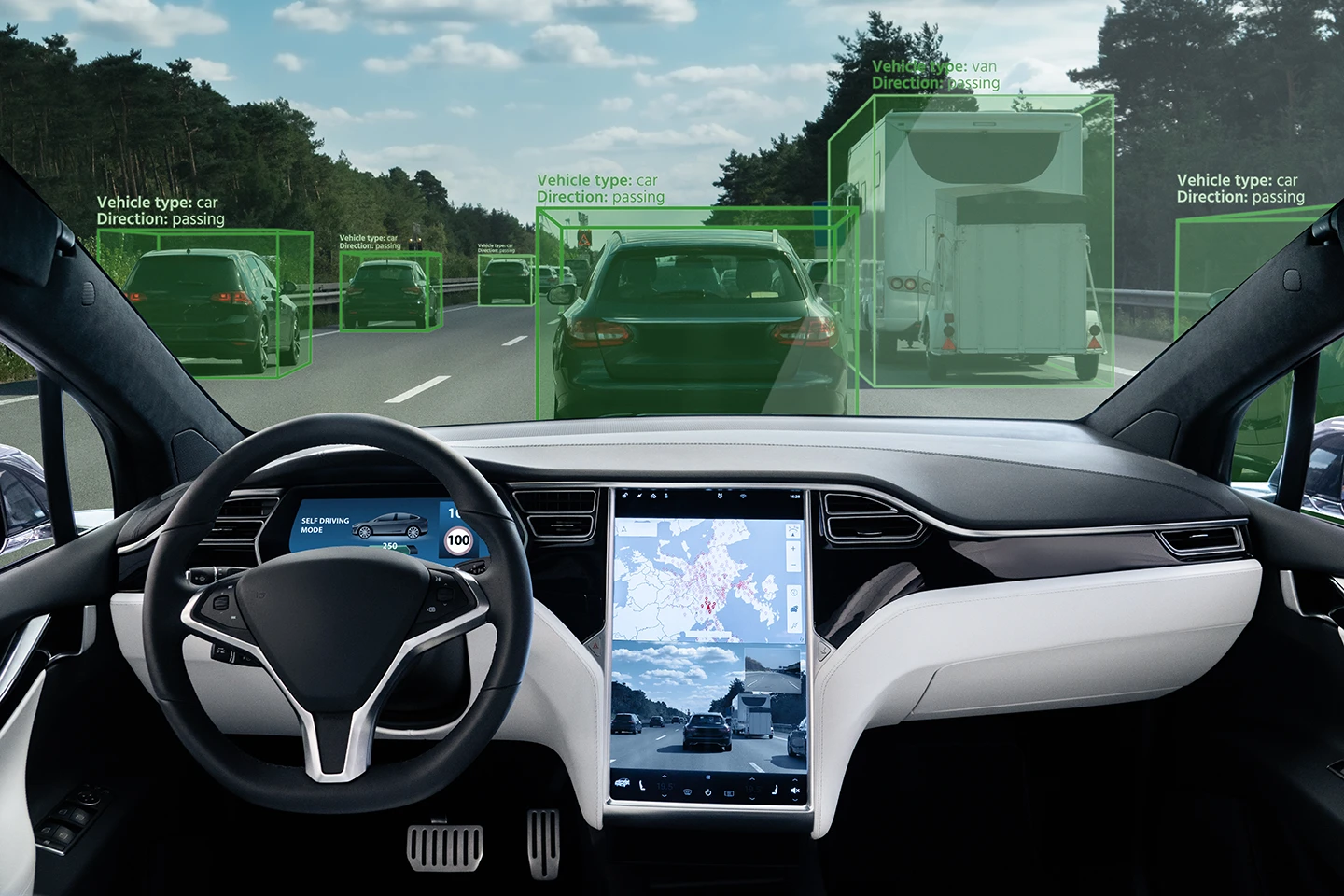
A Waymo records more about its crashes than any vehicle ever built: lidar, radar, and camera streams, the planning system's decision logs, speed, braking, and fault data. That record can prove your case beyond argument. It can also be held, interpreted, and summarized by the company whose product is on trial.
Our approach treats the company's data the way our trucking practice treats a carrier's black box: demand preservation of the complete raw record immediately, not the company's summary; retain independent experts qualified to read it; and build the parallel record the company does not control, roadway evidence, business and traffic cameras, witness accounts, vehicle damage patterns, and your own documentation. When the company's account and the physical evidence disagree, that disagreement is the case, and it is winnable only if the independent evidence was captured before it faded.
Federal regulators have scrutinized robotaxi driving behavior, and those standards conversations matter in civil cases: The measure of a reasonable automated driver is being written right now, in part by cases like these.
What Your Claim Can Recover
Damages in AV cases follow Florida injury law: all past and future medical care, lost income and earning capacity, pain and suffering, and the lifetime care costs of catastrophic injuries, valued through the life care planning our catastrophic injury practice describes. Florida's comparative fault rules apply, including the 51 percent bar, and expect the company to argue them with charts. The two-year statute of limitations governs the filing deadline, but the preservation window, for both the company's data and the street's, is measured in days.
One more layer worth knowing: AV cases can involve defendants beyond the network operator, including vehicle and component manufacturers and fleet maintenance operations. As in our semi-truck practice, mapping every responsible party and policy is part of full recovery, not an afterthought.

Why Mausner Group for a Driverless Vehicle Case
These cases are new, but what wins them is not: speed on evidence, command of technical records, and credible trial readiness against sophisticated defendants. That is the practice Eric J. Mausner built, from prosecution through the firm's trucking y catastrophic injury work, and it transfers to autonomous vehicle litigation directly. Driverless vehicle cases sit within our broader Miami car accident practice, and they frequently overlap with our Accidente de Uber y Lyft work, since the same streets, pickup zones, and late-night conditions produce both. We handle AV cases throughout Miami-Dade, Broward, and South Florida from offices in Miami, Doral, Palmetto Bay, and Fort Lauderdale. Our guide to driverless car accident liability in Florida covers the legal framework in more depth, our e-bike y pedestrian articles cover the people these systems must detect, and the consultation that starts your case costs nothing.
Frequently Asked Questions About Waymo and Driverless Car Accidents
When the automated system caused the crash, the company operating the vehicle, since Florida law treats the automated driving system as the legal operator. When a human driver caused it, that driver is liable, with the robotaxi network's coverage protecting its injured passengers. Many cases involve shared fault and both paths are pursued.
Yes. Injured passengers have claims regardless of which vehicle caused the crash, backed by Florida's requirement that autonomous ride networks carry at least $1 million in liability coverage. Preserve your trip record in the app and get medical care within 14 days to protect your PIP benefits.
You have a claim against the network's liability coverage, and the vehicle's sensors recorded the event. An immediate preservation demand for the complete sensor and decision data, not the company's summary, is the most important early step, alongside a police report and prompt medical care.
The defendant is a corporation holding all of the vehicle's evidence and defending its technology's reputation, there is no driver to depose, and the fault fight is waged with engineering data. These cases reward immediate preservation work and independent experts, which is how our firm builds them.
Florida's ordinary rules operate around the new technology: PIP covers occupants and struck pedestrians through the usual channels, your uninsured motorist coverage still matters, and the network's $1 million-plus liability coverage sits where a negligent driver's policy normally would, with substantially higher limits.
Call 911 so an official record exists independent of the company's, get medical care the same day, photograph the vehicle and scene, save your trip details if you were a passenger, and do not give statements to the company's representatives. Then get counsel moving on data preservation, because the company's retention practices are not built around your claim.
Hurt in a Driverless Vehicle Crash? The Company Has Its Data. Get Your Own Team.
Cobertura en todo el estado de Florida · Hablamos Español
This page is for general informational purposes only and does not constitute legal advice. Florida law referenced includes Fla. Stat. 316.85 and related autonomous vehicle provisions, 627.736, 627.727, 768.81, and 95.11. Autonomous vehicle law and service availability change rapidly. Consult a licensed Florida attorney for advice specific to your situation.