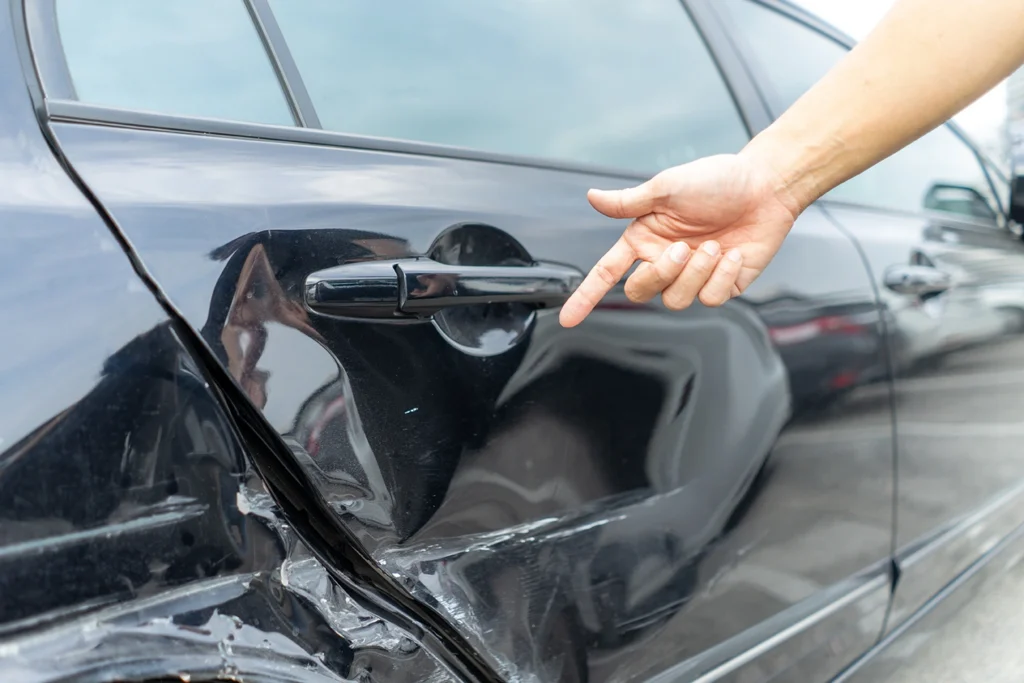
Florida has one of the worst hit-and-run problems in the country. The state logs over a hundred thousand leaving-the-scene crashes in a typical year, and Miami-Dade sits at the top of the county rankings year after year. Every Miami driver, rider, and pedestrian knows the local version of the story: the sideswipe on the Palmetto where the other car just kept going, the cyclist clipped on a night street, the parked car destroyed overnight, the crosswalk victim left lying there while the driver fled toward the expressway.
The driver who flees creates two cases: a criminal one that belongs to the police, and a civil one that still belongs to you. The most important thing a hit-and-run victim can learn, preferably before the adrenaline fades, is that compensation does not depend on the driver being caught. Florida's insurance system has a path built for exactly this situation, and the victims who recover fully are the ones who protect that path in the first days.
This guide covers what to do when the other driver flees, how the insurance actually works, and the mistakes that quietly cost hit-and-run victims their claims. If it happened to you or a family member anywhere in South Florida, the abogados de accidentes de auto en Miami En Mausner Group Injury Lawyers ofrecemos consultas gratuitas en 305.344.4878.
Do not chase. It feels wrong to watch the car disappear, but a pursuit risks a second crash, and what the civil case needs from you is information, not a license plate captured at 70 miles an hour.
What actually helps, in order:
Here is the insurance reality, and it is better news than most victims expect, if they prepared for it before the crash.
Your PIP pays first. Florida's no-fault system covers your initial medical bills and a portion of lost wages through your own policy, fled driver or not. The 14-day treatment deadline applies.
Uninsured motorist coverage is the whole ballgame. A hit-and-run driver is treated as an uninsured driver, and your own UM coverage, the coverage we walked through in our uninsured motorist guide, steps into the fled driver's shoes: It pays for the serious-injury damages their liability policy would have covered, pain and suffering included. This is the coverage that turns a catastrophic hit-and-run from a total loss into a compensated claim, and it is the single most important line on a Miami auto policy, in the county where roughly one in five drivers carries no insurance and the fleeing ones effectively carry none.
Two UM traps to know. First, if you rejected UM coverage to save a few dollars, there is usually no claim to make against your own policy, which is why we tell every client, every time: Carry UM, and stack it if you can. Second, UM claims put you in an adversarial position with your own insurer, a company you pay, now motivated to minimize what it owes you. The friendly-sounding recorded statement request, the quick settlement offer, the demands for endless documentation, all the adjuster tactics from our insurance adjuster guide apply with full force when the adjuster is your own.
If the driver is found, the case expands. Police do solve a meaningful share of these, through plate fragments, camera canvasses, and body shops. A found driver adds their liability coverage (if any) to the claim, and their flight becomes powerful evidence, juries do not love defendants who left an injured person on the pavement. Flight can also support punitive damages in the right case.
Pedestrians and cyclists are covered, too, which surprises people. A pedestrian or rider struck by a hit-and-run driver can draw on their own auto policy's PIP and UM coverage even though they were not in a car, and on a resident family member's policy in many cases. The hit-and-run patterns we see on foot and on bikes, on the corridors from our dangerous roads piece, make this the most important insurance fact a car-free Miami household can know.
The most common hit-and-run of all never makes the news: You walk out in the morning and your parked car is wrecked, no note, no witness, no driver. Two coverage facts matter here. First, Florida UM coverage is bodily injury coverage, it compensates people, not bumpers, so a property-only hit-and-run runs through your own collision coverage, with your deductible, unless the driver is identified. Second, that makes the camera canvass worth doing even for a parked-car hit: a doorbell camera that catches the plate converts a deductible-and-rate-hike problem into a claim against the driver's insurer, paint transfer and debris at the scene help the police do the same, and Miami's density of cameras means parked-car cases get solved more often than people expect.
The same bodily-injury limit cuts the other way, too, in your favor: If you were in the parked car, or loading it, when the fleeing driver hit it, that is an injury case, and the full UM path above applies.
Leaving the scene of a crash with injuries is a felony in Florida under Section 316.027, with mandatory minimums when the crash is fatal, and Florida toughened these penalties specifically because fleeing had become epidemic. Cooperate fully with the police investigation, it can find your defendant, but understand the division of labor: The prosecutor's job is punishment, and nothing about the criminal case compensates you. The civil claim through UM coverage proceeds on its own track and its own timeline, and waiting for the criminal case to resolve before starting the civil one is a mistake, both because the UM claim has its own notice requirements and because the evidence, camera footage above all, disappears on a schedule that ignores the court docket.
The filing deadlines run on the civil side regardless: two years for negligence claims under Florida's statute of limitations, with UM claims governed by the policy's own notice and suit provisions, another detail worth handing to counsel early rather than discovering late.
Call 911 and report it the same day, write down everything you remember about the vehicle, identify nearby cameras and witnesses, and get medical care within 14 days to protect your PIP benefits. Do not chase the fleeing driver, the information at the scene is worth more than the pursuit.
Yes, through your own coverage: PIP pays initial medical bills, and uninsured motorist coverage compensates serious-injury damages as if you had a claim against the fled driver. Most successful hit-and-run recoveries happen without the driver ever being identified.
Yes. Florida UM coverage treats a fled, unidentified driver as an uninsured driver. It covers medical expenses, lost income, and pain and suffering up to your UM limits, which is why carrying and stacking UM coverage matters so much in South Florida.
Yes. Your own duties, stopping, rendering aid if anyone else was involved, and reporting the crash, do not change because the other driver broke theirs. Staying and reporting also creates the official record your insurance claim will depend on.
You can still claim PIP and UM benefits through your own auto policy, or a household family member's policy, even though you were not in a car. Pedestrian and cyclist hit-and-runs are among the most common UM claims we handle.
When the crash involves injuries, yes, under Florida Statute 316.027, with prison exposure that increases sharply for serious injuries and fatalities. The criminal case punishes the driver; your compensation comes through the separate civil claim.
Hit-and-run victims often assume that no driver means no case, and insurers are happy to let that assumption stand. The truth is a path through your own coverage, protected by fast evidence work and pressed by people who know how UM carriers operate. Mausner Group Injury Lawyers handles hit-and-run cases across Miami-Dade and South Florida.
Llamar 305-344-4878 Para una consulta gratuita, disponible las 24 horas del día, en inglés o español. No pagará nada a menos que ganemos.
This article is for general informational purposes only and does not constitute legal advice. Florida law referenced includes Fla. Stat. 316.027, 316.062, 627.727, 627.736, and 95.11. Laws change; consult a licensed Florida attorney for advice specific to your situation.